Beard Growth Kits

 Beard Grooming Kits

 Beard Color Kits


How to Fix a Patchy Mustache: Practical Tips for Better Growth
You finally committed to growing a mustache, but your upper lip had other ideas. A patchy mustache is a common frustration men face when trying to grow facial hair, and if you're dealing with sparse spots, thin growth, or a noticeable gap down the middle, you're far from alone. But worry not, a patchy mustache isn't a life sentence. With the right approach, a little patience, and the right products, most men can significantly improve the look and fullness of their stache.
For those looking for a quick answer, we've got you!
The Quick Answer
A patchy mustache is most commonly caused by genetics, hormonal levels, or simply not giving your facial hair enough time to grow in. The most effective fixes include letting it grow for at least 6 weeks without trimming, applying beard oil daily to nourish follicles, using a derma roller 2–3x per week to stimulate growth, taking beard supplements with biotin and zinc, and optimizing your diet and sleep. In the meantime, you can fill in a patchy mustache or beard using a daily beard color. For persistent patchiness, minoxidil applied topically has shown results for many men over 3–6 months.
Looking to learn more? In this guide, we'll break down exactly why mustaches come in patchy, and, more importantly, what you can actually do about it.
Why Is My Mustache Patchy?
Before diving into fixes, it helps to understand what's actually causing your patchy mustache. In fact, patchiness and sparse facial hair are driven by a handful of well-understood factors.
1. Genetics
The most common culprit behind a patchy mustache is simply your DNA. Hair follicle density, distribution, and the sensitivity of those follicles to androgens (male hormones) are all largely inherited. If the men in your family tend to have sparse upper-lip hair, there's a good chance you will too, at least initially. That said, genetics set the ceiling, not the floor. You still have plenty of room to optimize.
2. Hormonal Levels
Testosterone and its byproduct dihydrotestosterone (DHT) are the primary drivers of facial hair growth. Men with lower levels of these hormones, or whose follicles are less sensitive to them, tend to grow thinner, patchier mustaches. Hormonal levels are something a doctor can help evaluate if you suspect this may be a factor for you.
3. Age and Follicle Maturity
Younger men, especially those in their teens and early twenties, often see patchy mustache growth simply because their follicles haven't fully matured yet. That peach fuzz you're staring at isn't necessarily the final version of your mustache. Many men continue to see their facial hair fill in and thicken well into their late twenties. Patience isn't just a virtue here; it's part of the biology.
4. The Philtrum Gap (It's Normal!)
Here's something most men don't know: virtually every man has a mustache gap. That space in the center of your upper lip, referred to as the philtrum, naturally produces less hair than the rest of your mustache. It's not a flaw; it's anatomy.
Men with a smaller philtrum have a less noticeable gap, while those with a larger philtrum may see a more pronounced split. The growth pattern of your facial hair can also impact appearance, as hair growing away from the center makes the gap appear wider.
5. Poor Nutrition
Hair growth is a biological process that demands nutrients. Deficiencies in key vitamins and minerals, particularly biotin, zinc, iron, and vitamins A, C, and E, can directly contribute to sparse or slow-growing facial hair. Your mustache is often one of the first places nutritional deficiencies show up.
6. Stress and Sleep Deprivation
Chronic stress elevates cortisol levels, which can disrupt hair growth cycles and contribute to patchy facial hair. Similarly, getting less than 7–8 hours of sleep per night impacts hormone production and cell repair, both of which are critical for healthy hair growth. If your lifestyle has been stressful or sleep-deprived, that may be part of what's showing up on your upper lip.
How to Fix a Patchy Mustache: 7 Proven Strategies

Now for the part you came here for. Here's exactly what you can do to fix a patchy mustache, from free, zero-effort approaches to more targeted interventions.
1. Give It Time
The single biggest mistake men make with a patchy mustache is quitting too early. Most mustaches that appear patchy in the first few weeks look dramatically different after 4–6 weeks of uninterrupted growth. Slower-growing hairs need time to catch up, and what looks sparse at three weeks can look impressively full at eight. Commit to a no-trim phase of at least six weeks before making any assessments. You might be surprised at what was hiding beneath the surface.
2. Use a Quality Beard Oil Daily
Beard oil is one of the most effective ways to improve mustache growth and appearance at any stage. A good beard oil hydrates the skin beneath your mustache (dry, flaky skin can impede follicle function), softens and conditions the hairs, making them appear thicker, and delivers nutrients directly to the hair and skin. Apply a few drops daily, massaging gently into your upper lip area as part of your regular grooming routine.
3. Take Beard Growth Supplements
If your diet is falling short on the nutrients that support hair growth, a quality beard supplement can fill the gap. Look for formulas containing biotin, zinc, vitamin D, and B-complex vitamins, which are the building blocks your follicles need to produce thicker, stronger hair follicles. Don't expect overnight results; most men start noticing improvements after 8–12 weeks of consistent supplementation.
4. Add a Derma Roller to Your Routine
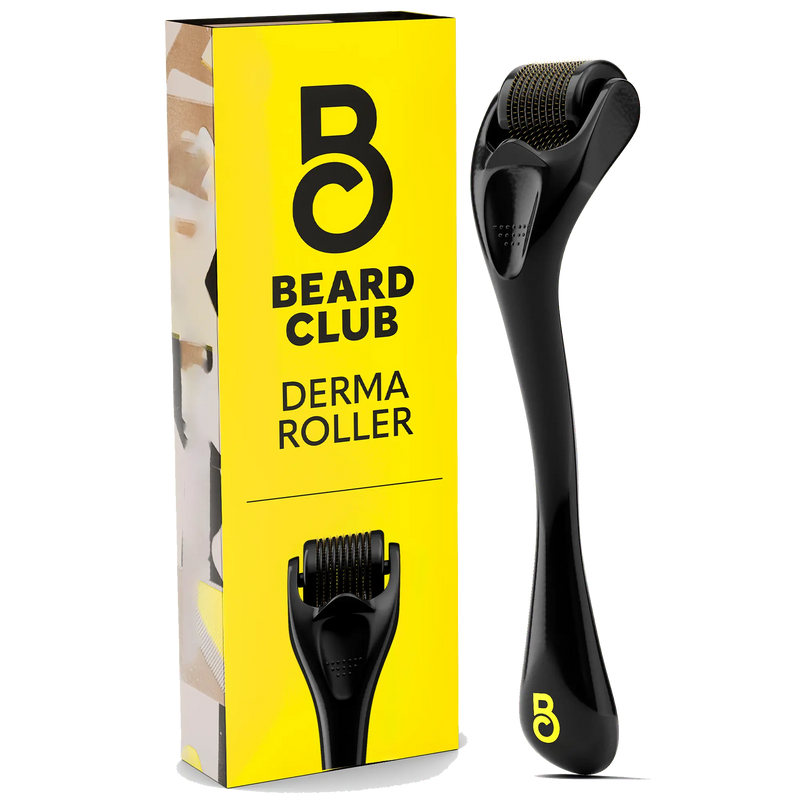
Microneedling with a derma roller (also called a beard roller) is one of the more underrated tools for fixing a patchy beard and mustache. Rolling a small device with tiny needles across your upper lip creates micro-injuries in the skin, which triggers a healing response that includes increased blood flow, collagen production, and growth factor release, all of which can wake up dormant follicles and stimulate new hair growth. Use it 2–3 times per week, followed by beard oil to maximize absorption. Many men report noticeable improvements in density within a few months.
5. Optimize Your Diet for Hair Growth
What you eat directly affects not only your mustache, but all of your hair growth. To support fuller facial hair, targeted foods include:
- Protein-rich foods like eggs, lean meats, and legumes (the primary structure of hair is made up of a protein called keratin)
- Biotin sources such as nuts, avocados, sweet potatoes, and whole grains
- Omega-3 fatty acids from fish, flaxseeds, and walnuts for scalp and follicle health
- Staying well hydrated is so important for healthy hair growth. Dehydration affects skin and hair more than most people realize
6. Consider Minoxidil (With Medical Guidance)
Minoxidil, the active ingredient in Rogaine, is FDA-approved for scalp hair loss, but many men have used it off-label on their facial hair with promising results. Applied topically to the mustache area, it can stimulate follicles and encourage denser growth over several months. Results typically take 3–6 months to become visible, but gains may be reduced if you stop using it. Always consult with a healthcare professional before starting minoxidil, as it does have potential side effects.
7. Brush and Groom Strategically
Regular brushing with a quality mustache or beard brush has a handful of benefits. Not only does it train facial hair to grow in your desired direction, but it also helps to distribute natural oils and exfoliates the skin beneath to encourage healthy follicle function. Brushing toward the center of the philtrum can also help cover a mustache gap by directing surrounding hairs over the sparse area. Pair this with a light-hold mustache wax to shape and set hairs in place.
The Best Mustache Styles for Patchy Growth

While you're working on improving fullness, you don't have to look like you're in an awkward in-between phase. Certain mustache styles work beautifully with patchier growth, drawing attention to other areas and turning sparse spots into part of the charm.
- Chevron Mustache: A thick, downward-pointing style that covers the upper lip fully and works well with varied density.
- Pencil Mustache: Thin and defined, a pencil mustache actually benefits from some sparseness and looks intentional rather than patchy.
- Handlebar Mustache: The upswept ends draw the eye outward, away from the center gap.
- Walrus Mustache: These are full, bushy, and long, which may sound counterintuitive to the problem, but with a grown-out length, they will cover most gaps naturally.
A temporary beard color in a shade matching your hair color can fill in visible gaps and create the illusion of a fuller stache, which is a great option while you're in the growth phase.
Habits That Make a Patchy Mustache Worse
Avoiding common mistakes in your grooming routine is just as important as adopting the right habits. Watch out for these:
Trimming too early
Cutting hair does nothing to change follicle speed or density. Trim before you've assessed your full growth potential, and you'll never know what your stache could have been.
Neglecting skin care
Dry, congested, or flaky skin can block new growth and worsen patchiness. Proper grooming includes regularly moisturizing and exfoliating.
Using harsh products
Chemicals in low-quality soaps and grooming products can damage hair follicles. Stick to products formulated for facial hair.
Hot water exposure
Washing your face with hot water can strip natural oils and contribute to dryness and patchiness. Use lukewarm water instead.
Giving up at two weeks
Beard hair grows in cycles. You need at least 6–12 weeks to make any meaningful evaluation of your mustache's potential.
A Patchy Mustache Is More Fixable Than You Think
A patchy mustache is rarely the permanent situation it feels like in the first few weeks of growth. With the right combination of patience, targeted grooming products, solid nutrition, and smart styling, most men can significantly improve the fullness and density of their mustache. For results, the key is a consistent routine.
At The Beard Club, we've built our product line around giving every man the tools to grow his best facial hair, regardless of where you’re starting from. Whether you need a premium beard growth oil to nourish your upper lip, a high-quality supplement to address nutritional gaps, or a derma roller to activate dormant follicles, we've got the tools to help you get there.
Your patchy mustache is just a starting point. Let's get to growing!

FAQs
How long does it take to fix a patchy mustache?
Most men see meaningful improvement within 6–12 weeks simply by letting their mustache grow without interference. With additional interventions such as beard oil, supplements, or a derma roller, you may start to see visible changes in follicle density within 2–4 months.
Can I permanently fix a patchy mustache?
In many cases, yes, especially if patchiness is caused by age, nutrition, or grooming habits. For men whose patchiness is purely genetic, the results will depend on follicle potential, but targeted care can still significantly improve density. In extreme cases, some men explore options like beard transplants, though this is a last resort.
Is it normal to have a gap in the middle of my mustache?
Completely normal. The philtrum, the grooved area between your nose and upper lip, naturally produces less hair than the surrounding areas. Virtually every man has some version of a mustache gap. Many iconic mustache styles are actually designed around it.
Does shaving help a patchy mustache grow in thicker?
No, this is a common myth. Shaving does not change follicle density or the speed at which hair grows. Shaving actually creates a blunt edge on the hair shaft, which can feel coarser and appear slightly darker, giving the illusion of temporary thickness. The only things that truly improve density are time and the targeted strategies outlined above.
Sources:
Hormonal Effects on Hair Follicles | PMC
Growing Up: The Stages of Puberty for Boys | Cleveland Clinic
How chronic stress leads to hair loss | Harvard Stem Cell Institute (HSCI)
The Intersection of Sleep and Hair Loss | PMC
Minoxidil (topical route) - Side effects & dosage | Mayo Clinic