Beard Growth Kits

 Beard Grooming Kits

 Beard Color Kits


Minoxidil and beard oils both show up when you search for a fuller beard, and plenty of labels use the word "growth" to describe each of them. This overlap is why so many guys spend three months on the wrong product or routine before realizing it was never going to fill their patches.
Find out exactly what minoxidil and beard oil each do, what the research supports for both, and how to decide which one belongs in your routine. You'll also get the right way to use them together, since for a lot of beards the best results may include both.
TL;DR
Minoxidil is the only one of the two with clinical evidence for growing new beard hair. It works on the follicle and needs three to four months of twice-daily use before results show. Beard oil conditions the hair and the skin underneath, which reduces itch and makes an existing beard look fuller, but it won't create new growth on its own. For patchy beards, the strongest routine uses minoxidil for growth and beard oil for skin health and appearance, applied at different times.
Minoxidil vs Beard Oil
The comparison gets confusing because both products live in the same beard-growth aisle. Underneath the packaging, they do entirely different work.
What minoxidil does
Minoxidil is an FDA-approved hair-loss medication, best known under the brand name Rogaine. Once your skin converts it into its active form, it widens the blood vessels around each follicle and pushes resting follicles back into their growth phase, keeping them there longer. When using minoxidil for your beard, fine, barely visible hairs in your patchy areas can thicken into darker, coarser beard hair over several months. Using it on your beard is off-label, since the approval covers the scalp.
What beard oil does
Beard oil is a leave-in conditioner made from carrier oils and, usually, a few essential oils for scent. Beard growth oil blends castor, avocado, sweet almond, rice bran, and olive oils with cedarwood. Regularly applying it to your beard and down to the skin softens coarse hair, calms dryness and flaking, and eases the itch that hits during the first few weeks of growing out. It works on the hair and skin you already have, with no mechanism to reach the follicle the way a medication does.
Minoxidil vs Beard Oil at a Glance
|
Factor |
Minoxidil |
Beard Oil |
|---|---|---|
| What it is | Hair-loss medication (topical) | Cosmetic leave-in conditioner |
| Grows new beard hair? | Yes, in clinical studies | No evidence it does |
| Main benefit | Increases density in patchy areas | Softer hair, healthier skin, less itch |
| Time to see results | 3 to 4 months, fuller at 6 to 12 | A few days |
| Daily routine | Twice a day on dry skin | Once a day, usually after a shower |
| Common side effects | Dryness, flaking, redness, early shedding | Rare; occasional sensitivity to fragrance oils |
| If you stop | New growth gradually fades | Hair returns to its untreated feel |
| Approval status | FDA-approved for scalp; off-label for beard | Cosmetic product, no approval required |
What the Research Supports for Each

Beard-specific research is limited on both sides, so it helps to know exactly what has been studied and what hasn't.
Minoxidil has the stronger case. A 2016 randomized, placebo-controlled trial in the Journal of Dermatology followed 48 men who applied a 3% minoxidil lotion to their faces twice daily for 16 weeks, and the treatment group ended up with measurably denser beards than the placebo group. More recently, a 2024 study in the Journal of Endocrinological Investigation tracked transgender men on testosterone who hadn't developed a full beard, and topical minoxidil produced significant new growth on the upper lip and chin over six months. Neither study proves it will work for every face, though together they show facial follicles respond to the drug.
Beard oil doesn't have an equivalent trial that measured whether it can grow new facial hair, and castor oil, the most common "growth" ingredient, has a long folk reputation with little clinical data behind it. Researchers writing in Cureus in 2025 described the evidence for castor oil's direct effect on hair loss as limited, even while testing it inside a blend.
Rosemary oil is the one botanical with a real head-to-head result. A 2015 trial published in SKINmed assigned 100 people with pattern hair loss to either rosemary oil or 2% minoxidil for six months, and hair counts rose similarly in both groups, with less scalp itching on rosemary. Three caveats keep that from settling the debate for beards. The study involved scalp hair, it compared against the weaker 2% strength of minoxidil, and it hasn't been repeated on facial hair. Peppermint oil has shown growth effects too, but only in a 2014 mouse study in Toxicological Research.
Why Beard Oil Still Belongs in a Growth Routine
Writing off beard oil because it doesn't produce hair growth misses the reasons it helps a beard get to its full potential. The first is the itch. Somewhere around weeks two to four, new growth pokes at the skin, and plenty of guys reach for the razor just before their beard starts looking good. Oil calms that stretch enough to get you through it.
It also changes how full your beard looks. Dry, coarse hair frizzes, separates, and lets the skin show through, which makes a patchy beard look patchier. Conditioned hair lies together and reflects light evenly, so the same number of hairs covers more visual ground. And if you're on minoxidil, the oil earns its keep a second way.
Minoxidil's alcohol and propylene glycol base dries the skin, and the flaking that follows is one of the most common reasons guys give up on it early. A daily oil or a heavier beard balm keeps that in check.
Matching the Product to Your Beard
Your starting point depends on what your beard looks like right now. Find your situation below.
|
Your beard right now |
Best starting point |
Why |
|---|---|---|
| Grows in evenly but feels coarse, dry, or itchy | Beard oil | Your follicles are doing their job; the hair and skin need conditioning |
| Patchy, with fine light hairs visible in the gaps | Minoxidil plus beard oil | Those fine hairs are the ones minoxidil can thicken; oil handles the dryness |
| Under your mid-20s and still filling in | Beard oil, then reassess in a year | Facial hair often keeps maturing into your late 20s |
| Completely bare patches that match your father's or brothers' beards | Beard oil and a style that works with your pattern | Neither product reliably grows hair where genetics left no active follicles |
| Can't commit to twice-daily application long term | Beard oil | Minoxidil gains fade when you stop, so inconsistent use wastes the effort |
If you land in the genetics row, our beard genetics guide covers what your family history can tell you about your ceiling. Styles built around a strong jawline and chin, like a chin strap or a short boxed beard, can also make the most of the growth you have.
Using Minoxidil and Beard Oil Together
Timing decides whether the two products help each other or get in each other's way. Oil sitting on the skin can block minoxidil from absorbing, and oil applied over wet minoxidil can carry the drug past the area you meant to treat. A simple sequence keeps them apart.
- Start with clean, dry skin. Wash your face and pat it completely dry before the first dose. Minoxidil absorbs best without water or oil on the surface.
- Apply minoxidil to the skin, not the hair. Work it into the patchy areas and along the jaw and cheeks where you want density, using the amount your product's directions specify.
- Let it dry completely. Give it a couple of hours before adding anything else. Doing your morning dose early, before you leave for the day, makes this easy.
- Add beard oil once it's dry. Rub a few drops between your palms and work them through the beard and down to the skin to counter dryness and flaking.
- Apply the evening dose to clean skin. Rinse or wipe the face before your second minoxidil application so the oil from earlier doesn't sit between the drug and the skin.
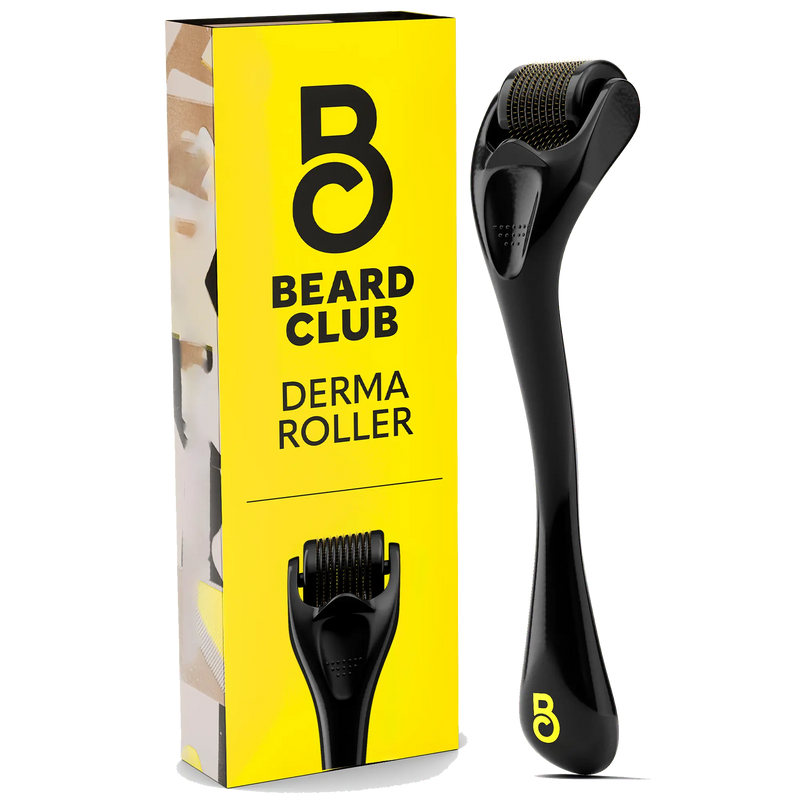
A derma roller can strengthen the routine further. A 2013 study in the International Journal of Trichology found that men who combined weekly microneedling with 5% minoxidil grew significantly more scalp hair over 12 weeks than men using minoxidil alone. If you add one, roll once or twice a week at most, and skip minoxidil for 24 hours afterward so it doesn't sting or absorb too aggressively through freshly needled skin.
Pro tip: Take a well-lit photo of your beard from the front and both sides on day one, then again every four weeks in the same spot and lighting. Minoxidil progress is slow enough that you won't see it in the mirror day to day, and those photos are what keep you from quitting at month two.
Setting Honest Expectations Before You Spend Anything
Minoxidil needs patience and consistency. Some guys see extra shedding in the first several weeks as resting follicles reset, which looks alarming and usually means the drug is working. Real density shows up around month four, keeps building toward the one-year mark, and slowly reverses if you stop. Budget for it as an ongoing part of your routine for as long as you want the results.
Beard oil makes no such demands. You'll notice softer hair and calmer skin within days, and if you stop, nothing is lost beyond the conditioning. Where people get burned is expecting the oil to do the drug's job. Buy it to keep your beard healthy and looking its best, and you'll get your money's worth. Buy it to fill a patch, and you'll likely be disappointed no matter which brand is on the label.
A note on safety: This article is general information and doesn't replace advice from a doctor or pharmacist. Check with one before starting if you have a heart condition, take blood pressure medication, or have sensitive skin, and stop using it if you notice chest discomfort, a racing heartbeat, dizziness, or swelling.
Picking Your Starting Point
The choice gets simple once you separate the two jobs. If your beard grows in but looks rough or feels itchy, beard oil is the fix, and you can skip the medication entirely. If you're staring at gaps with faint hair inside them, minoxidil is the product with the evidence to change that, and beard oil keeps your skin comfortable while you wait out the months it takes.
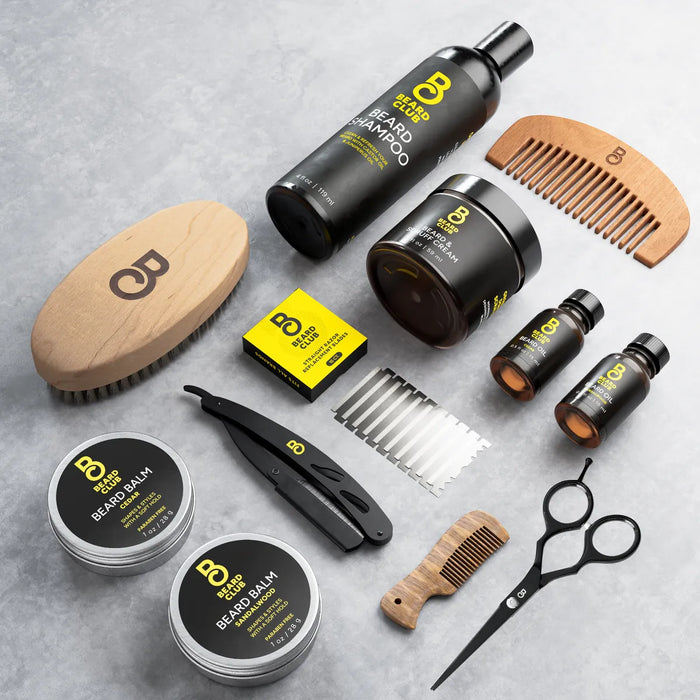
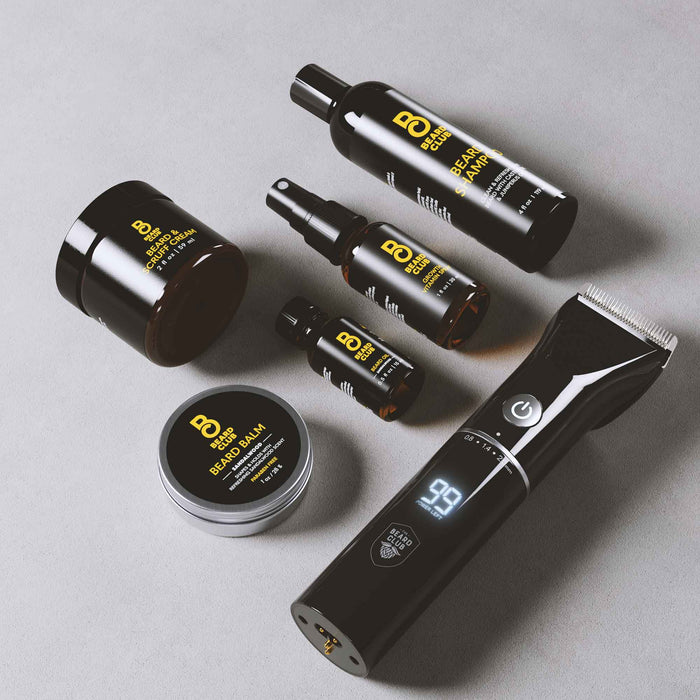
Whichever way you go, consistency will shape your results more than any single bottle. The Beard Club's beard growth kits bundle the oil, a derma roller, and daily care into one routine, so the supporting side of your plan is covered from the first week. Give it a full four months, take your progress photos, and judge the results against where you started.

Frequently Asked Questions
Does beard oil make your beard grow?
No controlled study has shown beard oil growing new facial hair, and no oil can create follicles that aren't there. Beard oil keeps the skin under your beard healthy, cuts down on itch, and softens coarse hair so the beard looks fuller and neater. Those benefits make it easier to stick with a growth plan, which is why it pairs well within a broader beard growth routine.
Can you use minoxidil and beard oil together?
Yes, and the combination works well when you get the timing right. Apply minoxidil to clean, dry skin first and let it dry completely, ideally for a couple of hours, before adding beard oil. Oil applied over wet minoxidil can dilute it and spread it past the area you meant to treat. Many guys use the oil after the morning dose has dried, and it helps with the dryness and flaking minoxidil can cause.
Which is better for a patchy beard, minoxidil or beard oil?
If the patches have fine, light hairs growing in them, minoxidil is the only one of the two with clinical evidence for increasing beard density. Beard oil will make the hair you already have look healthier but won't fill gaps on its own. If a patch is completely bare and your family's beards follow the same pattern, set realistic expectations, since neither product reliably grows hair where follicles are absent.
How long does minoxidil take to work on a beard compared to beard oil?
Minoxidil takes about three to four months of twice-daily use before new beard hair becomes noticeable, and fuller results can take six months to a year. Beard oil works on a much shorter clock because it's cosmetic. You'll feel softer hair and calmer skin within a few days of daily use.
Is rosemary oil a natural alternative to minoxidil for beard growth?
Possibly, though the evidence is thin. A 2015 randomized trial published in SKINmed found rosemary oil matched 2% minoxidil for scalp hair count after six months in people with pattern hair loss, with less itching. That trial involved scalp hair, compared rosemary against the weaker 2% strength, and hasn't been repeated for beards.